
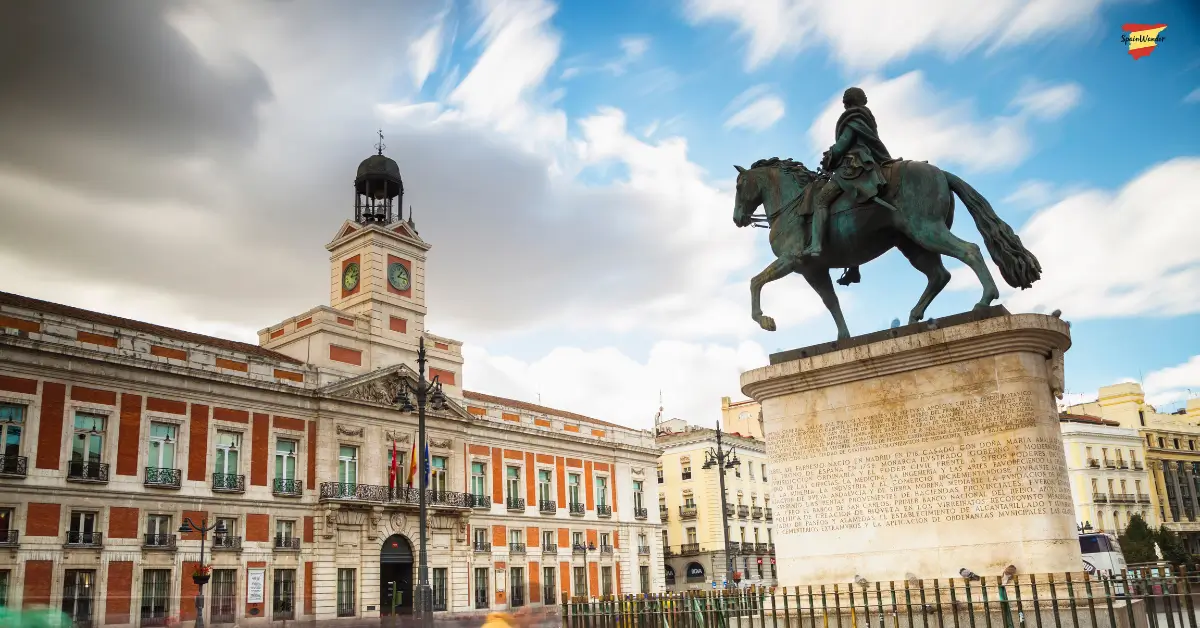
Best Time to Travel to Spain: A Comprehensive Guide
What if you could experience Spain’s vibrant culture without battling crowds or missing seasonal highlights? The secret is figuring out the best time to travel to Spain. Whether you’re drawn to sun-soaked beaches, historic cities, or lively festivals, timing shapes your adventure.
Spain’s charm spans snow-capped mountains, bustling plazas, and tranquil villages. Each region offers unique rhythms. Coastal areas like Costa del Sol thrive in summer, while cities like Madrid shine in spring and fall. The best trip for you relies on how the weather, events, and your own preferences all work together.
This guide helps you navigate those choices. You’ll learn to avoid peak tourist seasons while catching iconic celebrations like La Tomatina or Semana Santa. We’ll also offer advice on how to get discounts on travel and lodging. With insights on crowd patterns and regional climates, you’ll craft a tailor-made trip.
Table of Contents
Understanding Spain’s Seasonal Variations
The best time to travel to Spain depends heavily on its diverse geography and seasonal shifts. Spain’s landscape—from Mediterranean coastlines to mountainous interiors—creates weather patterns as varied as its culture. These differences majorly affect what you’ll pack and where you’ll go. Let’s unpack how they influence your travel plans.
Regional Climate Differences
Knowing the best time to travel to Spain starts with understanding its regional climates. Northern regions like Basque Country see mild temperatures year-round, with frequent rain keeping landscapes lush. In contrast, summer temperatures on the sun-drenched plains of Andalusia can reach 95°F (35°C). Coastal Barcelona enjoys breezy summers, while Madrid’s inland location brings hotter days and cooler nights.
Snow caps the Pyrenees in winter, perfect for skiing. Yet just hours south, Valencia’s orange groves thrive in Mediterranean warmth. These contrasts mean the best time to travel to Spain will vary depending on whether you prefer beach lounging or mountain hiking.
Travel Season Breakdown
Understanding the trade-offs of each season is helpful when choosing the best time to visit Spain. The high season (June–August) brings crowds to coastal areas but empties cities like Seville, where heat peaks. The shoulder seasons (April–May and September–October) combine nice weather with fewer visitors. Winter provides budget-friendly travel options in most regions except ski resorts.

Rainfall varies sharply, too. Northern cities like Bilbao average 120 rainy days yearly, while Almería sees just 20. Tracking these trends helps avoid surprises—like packing shorts for a March trip to Galicia, where rain jackets are wiser.
Best Time to Travel to Spain
Imagine strolling through Barcelona’s Gothic Quarter with perfect 72°F (22°C) breezes — that’s the magic you can capture when you choose the best time to travel to Spain. Although beaches are crowded in the summer, astute tourists frequently favour late spring or early fall. These charming locations combine pleasant weather with fewer visitors.
June–August delivers vibrant energy but has packed attractions and soaring thermometers. Coastal resorts buzz with life, while cities like Seville become oven-hot. This time of year is ideal if you enjoy sharing space and thrive on festivals; make your reservations in advance.
April–May and September–October are often considered the best time to travel to Spain, offering milder conditions perfect for exploring. You’ll sip sangria on Madrid terraces without sweating through your shirt. Cultural gems like Granada’s Alhambra feel more intimate without peak crowds.
Don’t overlook November’s charm. While northern regions cool, Andalusia remains pleasantly crisp. You’ll find olive harvest festivals and truffle markets — authentic experiences minus the queues.
Ultimately, the best time to travel to Spain will depend on your desire to explore. Beach lovers might brave summer’s heat, while culture seekers gain more from shoulder seasons. Balance sunny days with local events, and you’ll unlock Spain’s cultural richness on your terms.
Planning Your Trip Around the Seasons
The best time to travel to Spain will depend on how well your vacation plans align with the country’s seasonal cycles. Whether you want festival energy or peaceful exploration, understanding peak periods helps maximize value and experience. Let’s explain how to align your plans with Spain’s travel calendar.
Seasonal Trade-Offs Decoded
The high season (June–August) delivers sunny beach days but packed attractions. Hotels cost 30% more, and popular sites like Park Güell require timed tickets. If you crave coastal vibes, book flights 4–6 months early.
Shoulder months (April–May, September–October) are often considered the best time to travel to Spain, offering golden hours for city explorers. Walking around Madrid’s Retiro Park with fewer people, you’ll enjoy 70°F (21°C) afternoons. Flights dipped 20% compared to summer peaks.
Winter travellers save big—except in ski zones. Barcelona’s Gothic Quarter stays lively, while southern regions like Málaga maintain 60°F (15°C) days. Some rural hotels close, but cities buzz with local charm.
Booking Like a Pro
Start planning beach-focused trips 8 months ahead for July visits. For cities, 3 months gives flexibility. Mid-week flights (Tuesday–Thursday) often cost less than weekend options.
Use apps to track accommodation prices. Many hotels offer discounts for 5+ day stays during slower travel periods. Travelling to several towns and cities over a week? Divide your trip to combine a relaxed pace with the city’s energy.
Remember: festivals drastically affect availability. Check regional calendars before locking dates. A little research ensures you catch flamenco shows in Seville or tapas fairs in Logroño without battling lines.
Exploring Spain’s Diverse Destinations
Knowing the best time to travel to Spain also means understanding where to go depending on the season. Spain’s coastline stretches over 3,000 miles (4,828 km), offering everything from buzzing resort towns to secluded coves. Whether you crave golden sands lined with chic bars or quiet fishing villages steeped in tradition, the country’s shores deliver unforgettable moments.
Beach Towns and Coastal Retreats
Southern Spain blends Moorish architecture with vibrant beach culture. The Costa del Sol in Andalusia has beautiful marinas and lively promenades. Nearby Nerja, on the other hand, has kept its whitewashed charm with hidden caves and views from clifftops. Consider lesser-known gems like Conil de la Frontera for Blue Flag beaches with fewer tourists.
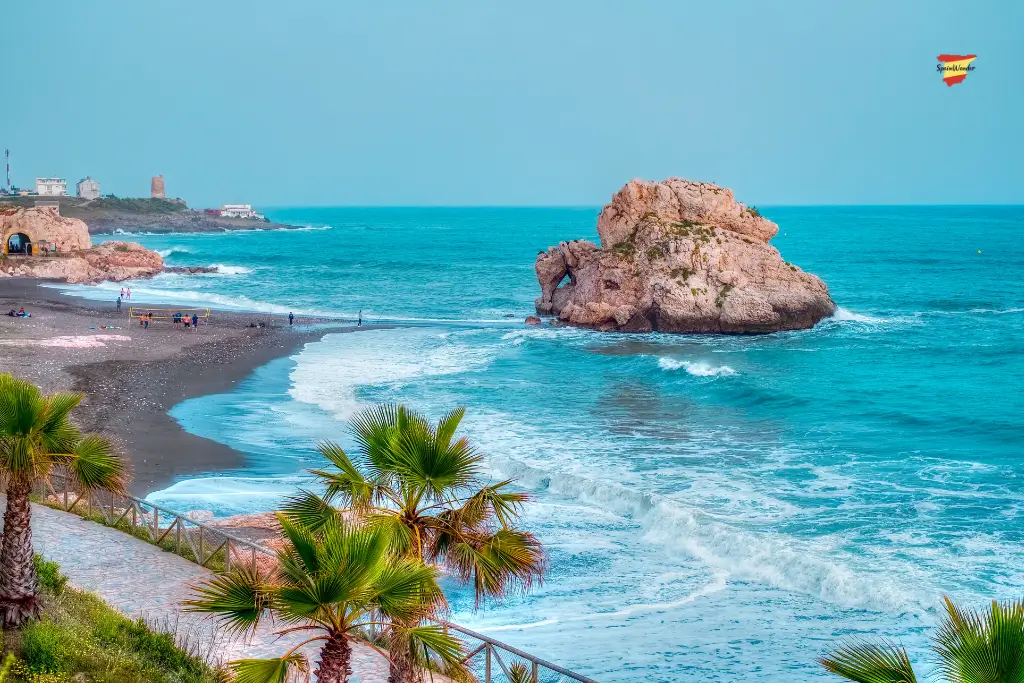
Ibiza’s legendary nightlife shares the island with tranquil, family-friendly beaches like Cala Salada. Barcelona’s La Barceloneta offers urban surf culture minutes from Gaudí’s masterpieces. Want to avoid the crowds? The best time to travel to Spain for coastal serenity is late May or September, when you can enjoy warm waters without summer’s packed shorelines.
The coast transforms with the seasons. While July turns Costa Brava into a sun-seeker paradise, winter brings peaceful walks down Valencia’s empty beaches. Local tip? Visit Málaga’s El Palo district for fried fish feasts where residents dine — authenticity over postcard perfection.
Navigating Weather Trends and Temperature Insights
Spain’s skies swing between the blazing sun and sudden showers faster than a flamenco dancer changes the rhythm. If you’re trying to figure out the best time to travel to Spain, knowing what to expect month by month helps you pack smarter and dodge weather surprises. Let’s break down the patterns that shape your days under the Iberian sun.
Monthly Climate Guide
The best time to travel to Spain often aligns with transitional seasons, but each month has appeal. January–February brings crisp 45–55°F (7–12°C) days in Madrid, while coastal Málaga stays near 60°F (15°C). March–May sees spring bloom with 65–75°F (18–23°C) averages — perfect for hiking Andalusia’s trails. Seville experiences extreme heat from June to August, with daily highs of 95°F (35°C). The beaches of Barcelona temper the heat with 85°F (29°C) days cooled by sea breezes.
September-October offers golden 70-80°F (21-26°C) months for city exploring. In northern regions, November-December dips to 50°F (10°C), though Granada’s Alhambra stays crowd-free. Rainfall spikes in April (Galicia) and November (Basque Country), so pack a foldable raincoat.
Packing Tips for Varying Weather
Spring calls for light layers – think breathable shirts with a sweater for chilly evenings. Summer demands wide-brimmed hats and reef-safe sunscreen to handle intense sun exposure. Winter travellers need thermal layers for mountain areas but can skip heavy coats in southern cities.
Always pack a reusable water bottle; hydration matters during summer heat waves. Bring a small umbrella all year round since coastal rains might appear anytime. For mixed-city plans, pack neutral-toned clothing that looks great from daytime tours to evening tapa bars.
Embracing Spanish Festivals and Cultural Events
Spain’s calendar pulses with energy year-round, blending ancient traditions with modern flair. Every season offers remarkable events, from grape-stomping harvest celebrations to flaming flamenco shows. If you’re wondering what the best time to travel to Spain is for cultural immersion, these events let you connect with locals while tasting the country’s soul.
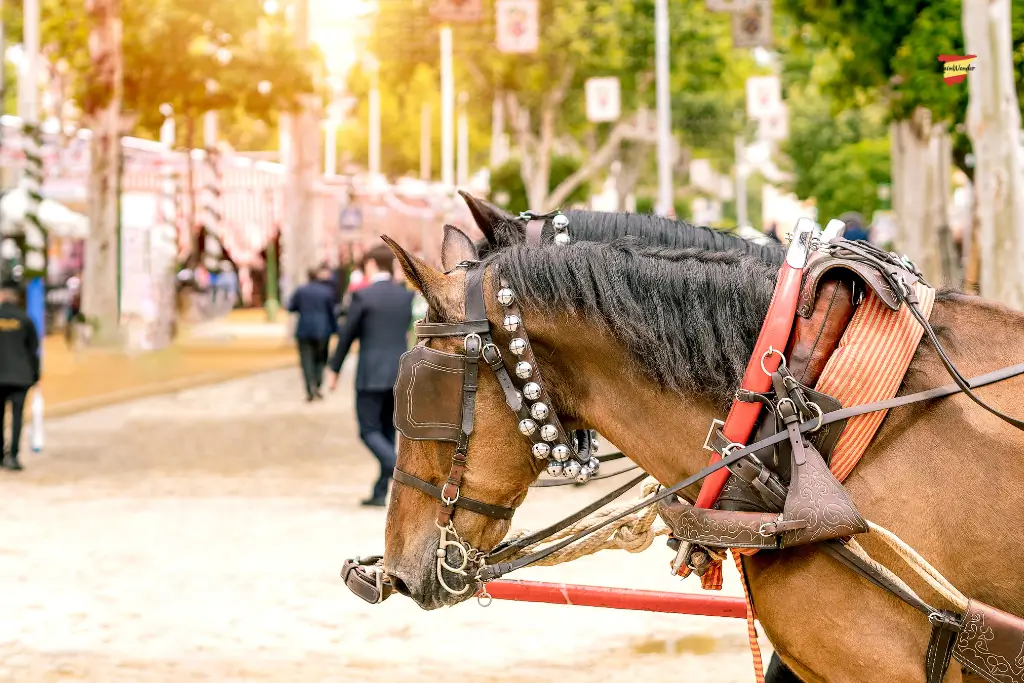
Seasonal Festivals to Experience
Spring bursts forth with the Semana Santa parades, and Seville’s avenues come alive with illuminated floats and evocative melodies. Summer brings Pamplona’s adrenaline-pumping San Fermín festival, where brave runners chase bulls. In the fall, Catalonia’s La Mercè comes to life with fireworks and people towers.
Local Cultural Celebrations
Small towns shine during patron saint days. The streets of Buñol become a place for throwing tomatoes during August’s La Tomatina. A rough example of a country activity can be seen on Galicia’s Rapa das Bestas, where people fight wild horses.
Tips for Booking and Avoiding Crowds
Navigating Spain’s hotspots without the hassle starts with thoughtful planning. You can explore renowned landmarks and vibrant city life while avoiding the busiest times. The best time to travel to Spain often means finding that sweet spot between events and off-peak availability.
Smart Booking and Flexibility Strategies
Book accommodations 6-8 months early for popular cities like Barcelona, which guarantees favourable prices and ideal placements close to major attractions. For Costa del Sol areas, consider May or September stays—beaches stay warm, but crowds thin out.
Flexible travel dates unlock hidden opportunities. Travel three to four days earlier to avoid weekend crowds in places like Madrid. During shoulder seasons, hotels often lower their prices in the middle of the week.
Visit major attractions right at opening or 2 hours before closing. You’ll photograph Gaudí’s Park Güell with golden light, not tour groups. In Seville’s Alcázar, visiting during the late afternoon offers shorter lines and gentler sunlight.
Local festivals can spike crowds unexpectedly. Check regional calendars—plan around events like Málaga’s Feria for a great time without packed streets. Seaside villages such as Nerja provide more tranquil options than del Sol’s crowded centres.
Use apps to track real-time crowd data at museums and beaches. Combine this with early mornings for landmarks like Sagrada Família. Instead of spending hours in line, you’ll have more time for strolls at dusk or tapas crawls.
Creating Your Customized Spanish Itinerary
Your Spanish adventure should reflect what makes your heart race – modernist architecture, medieval castles, or seaside paella feasts. Start by blending iconic cities like Madrid and Barcelona with lesser-known regions bursting with character. This mix ensures you experience Spain’s full cultural spectrum.
Tailor-Made Tours for Different Interests
Art lovers might spend mornings in Madrid’s Prado Museum and afternoons in Toledo’s winding streets. The Michelin-starred restaurants in San Sebastián and the beachside chiringuitos on the Costa del Sol are great places to eat. Always leave 2-3 hours daily for unplanned discoveries – a flamenco show in Seville’s Triana district or a hidden Gaudí gem in Barcelona.
Local Insider Tips
Residents know secrets most tourists miss. In Valencia, visit Russafa’s neighbourhood vendors instead of the busy Central Market. Locals favour Nerja’s Balcón de Europa along the Costa del Sol over busier Marbella beaches. Using these tips, you can turn boring trips into interesting ones.
Balance your days between cities and quieter regions. After exploring Granada’s Alhambra, unwind in Andalusia’s white villages. Planning 5-7 days? Split time between Barcelona and Costa del Garraf’s coastal trails. Every customized route should feel like your personal love letter to Spain.
Conclusion
Spain unfolds like a living tapestry, offering distinct rhythms for every traveller’s dream. Whether chasing sunlit coasts or misty mountain trails, the best time to travel to Spain is when your journey aligns with regional charms and cultural pulses. This guide lights your path to crafting memories that mirror your unique pace.
Keep these insights close as you sketch itineraries blending vibrant cities with hidden villages. From Mediterranean breezes to Pyrenean peaks, Spain’s world of contrasts reveals itself through thoughtful timing. Those golden October afternoons in Seville? They’re yours when you sidestep summer crowds.
When you know how seasonal changes affect trips, they go from everyday to extraordinary. Imagine being able to enjoy pintxos in San Sebastián without bumping into other people or taking pictures of Toledo’s skyline in soft spring light. Each place shines brightest when visited in its ideal window.
Pack your curiosity alongside that sunscreen! With festivals, flavours, and landscapes shifting across regions, this country rewards planners and spontaneous spirits. Spain isn’t just a destination—it’s a world of possibilities where every season paints new adventures.
Ready to claim your slice of Iberian magic? Your Spanish story starts when you find the correct times based on your preferences. Let this be your year to explore a place where ancient traditions dance with modern energy under skies that rarely disappoint.
FAQ
When is the ideal season for beach vacations in Spain?
The best time to travel to Spain for beach lovers is late spring (May–June) and early fall (September–October). These months offer warm weather and fewer crowds along the Costa del Sol or southern coast. Summer months bring hotter temperatures and packed beaches, but vibrant nightlife thrives then.
How does weather vary between northern and southern regions?
Northern areas like Barcelona have milder summers and rainy winters, while southern cities like Seville experience scorching summers (over 100°F) (37°C) and mild, dry winters. Pack layers if exploring multiple regions.
What festivals should I plan my trip around?
April’s Seville Fair, August’s La Tomatina in Buñol, and Pamplona’s Running of the Bulls in July are iconic. For wine lovers, Rioja’s harvest festivals in September blend culture with local flavors.
Are cities less crowded during specific months?
Yes! Visit Madrid, Valencia, or Granada in shoulder seasons (March–May or September–November) for comfortable sightseeing. You’ll avoid summer’s tourist surge and enjoy cooler temperatures.
What’s the advantage of traveling in winter?
Ski in the Pyrenees, explore quieter historic sites, or enjoy Christmas markets. Coastal areas like the Canary Islands remain warm, with daytime temps around 68°F (20°C), perfect for hiking or beach walks.
How far in advance should I book for peak season?
Reserve flights and hotels 3–6 months ahead for July–August travel. For festivals like Semana Santa, book a year early. Use flexible booking options to adjust plans if needed.
What essentials should I pack for varied climates?
Lightweight clothing, sunscreen, and a hat for sunny regions. Include a waterproof jacket for northern coasts and sturdy shoes for cobblestone streets. Winter trips require layers for chilly evenings.